The Dimensions of Integral Human Development: Optimizing Integral Human Development -- Understanding the Social Mission of the Catholic Church, Part 5
Part 5 of a ten-part series on the social mission of the Catholic Church.

Part 5: The Dimensions of Integral Human Development
This is Part 5 of Optimizing Integral Human Development, a ten-part series on the social mission of the Catholic Church. This installment sets out the dimensions of the person the standard engages -- material, social, cultural, political, moral, and spiritual.
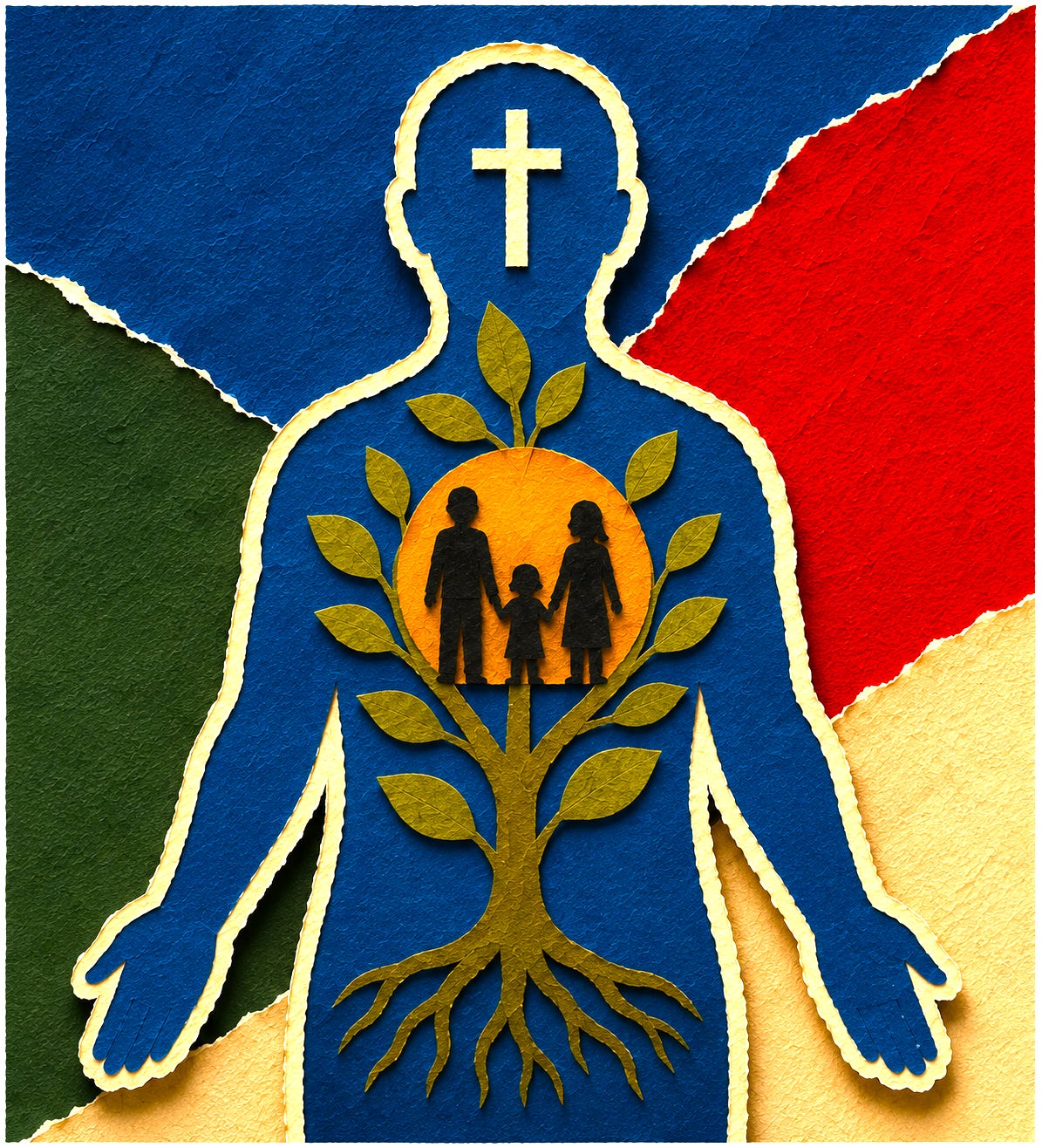
The word “integral” does the decisive work. Leo XIV defines it directly: development is integral when it reaches past the economic sphere to “the spiritual, cultural, moral and relational dimensions” of life, while respecting creation and the diversity of peoples. Development that addresses some dimensions of the person while neglecting others is not integral, however impressive its results in the areas it touches. A society can raise incomes while hollowing out community, expand freedom while abandoning the vulnerable, multiply choices while starving the spirit. Integral human development insists that authentic development engages the person whole and entire.
Catholic Social Teaching Rests on Interlocking Principles
In Chapter Two of Magnifica Humanitas, Leo XIV sets out the foundations and principles of Catholic social teaching in order: the human person made in the image of the Triune God, the equal dignity of all, human rights, and then the common good, the universal destination of goods, subsidiarity, solidarity, and social justice. He places integral human development last, as the principle that shows the practical ways the others “are implemented in real life.” Anthony Annett, in Cathonomics, arranges the same principles for a general readership and adds integral ecology, reciprocity, and the preferential option for the poor. Integral human development serves as the synthesizing aim the other principles support. The common good states what a flourishing society pursues together. Solidarity and subsidiarity describe how. The preferential option identifies whom society must not leave behind. Integral human development gathers these into a single standard: the good of the whole person and every person.
Material Provision Is Where Development Begins
The first dimension is material. People need food, shelter, medicine, safe water, a living wage, and meaningful work. A teaching that spoke only of the spirit while ignoring empty stomachs would betray the Gospel, and Catholic social teaching has never made that error. From Leo XIII’s defense of the just wage to Francis’s insistence that the poor have a right to the goods of the earth, the material dimension is treated as a genuine requirement of human dignity.
Catholic social teaching departs from secular development theory at the next step. Material provision is necessary, but a person whose every material need is met can still fail to flourish. Meeting material needs is the floor, not the ceiling.
The Social and Cultural Dimensions Locate the Person in Community
Human beings flourish in relationship or not at all. The social dimension covers family, friendship, association, and the web of belonging that makes a person more than an isolated individual. Catholic teaching treats the person as inherently relational -- made for communion, realized in community, diminished by isolation.
The cultural dimension covers education, the arts, language, tradition, and the inherited wisdom that forms a people. Development that erases local cultures in the name of progress, or that reduces education to job training, fails the cultural test. Paul VI counted the broadening of knowledge and the acquisition of culture among the marks of truly human conditions, precisely because a fed and housed person who has been cut off from beauty, learning, and inherited meaning has not been fully developed.
The Political and Moral Dimensions Concern Freedom and Virtue
The political dimension concerns participation. People flourish when they share in the decisions that govern their common life, and they are diminished when power is exercised over them without their voice. Catholic teaching defends genuine participation against both authoritarian control and the managerial reduction of citizens to administered populations.
The moral dimension concerns the formation of conscience and the practice of virtue. A person’s development includes growth in honesty, courage, justice, temperance, and love. A society that delivers prosperity while corroding character has not produced integral development. Authentic development forms good persons, not merely comfortable ones.
The Spiritual Dimension Orders the Whole
The spiritual dimension is the one secular development theory cannot supply and the one the Church refuses to surrender. Following Aquinas, Catholic teaching holds that the human person is ordered toward God and that earthly flourishing, however complete, points beyond itself. Openness to the transcendent orders all the other dimensions and directs them to their end. Leo XIV affirms the same conviction, invoking Augustine’s restless heart and writing that God inscribes in us “a desire for happiness that embraces all the dimensions of life.”
Leave it out and the account collapses into materialism, however refined. Paul VI was explicit: the rational creature should freely direct his life to God, the first truth and the highest good, and a development that forecloses that orientation has failed at the decisive point. The spiritual dimension is why integral human development can never be reduced to economics, politics, or culture alone.
______
This essay is part of a ten part series on Optimizing Integral Human Development -- Understanding the Social Mission of the Catholic Church.
The individual parts of the series are:
Part One: The Two Leos, 135 Years Apart
Part Two: Integral Human Development Is 2,400 Years Old
Part Three: Six Popes Have Taught the Same Doctrine
Part Four: The Church Reorganized Itself Around the Idea of Integral Human Development
Part Five: The Dimensions of Integral Human Development
Part Six: What Integral Human Development Rejects
Part Seven: Integral Human Development in the Age of Artificial Intelligence
Part Eight: The Attack on Empathy
Part Nine: Catholic Against Catholicism
Part Ten: What Integral Human Development Requires of Us Now